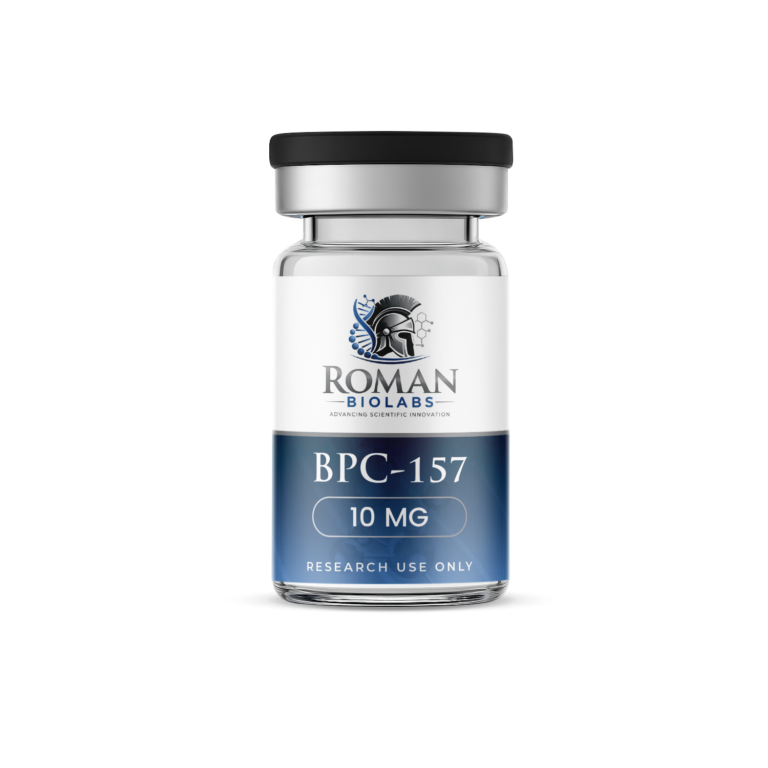
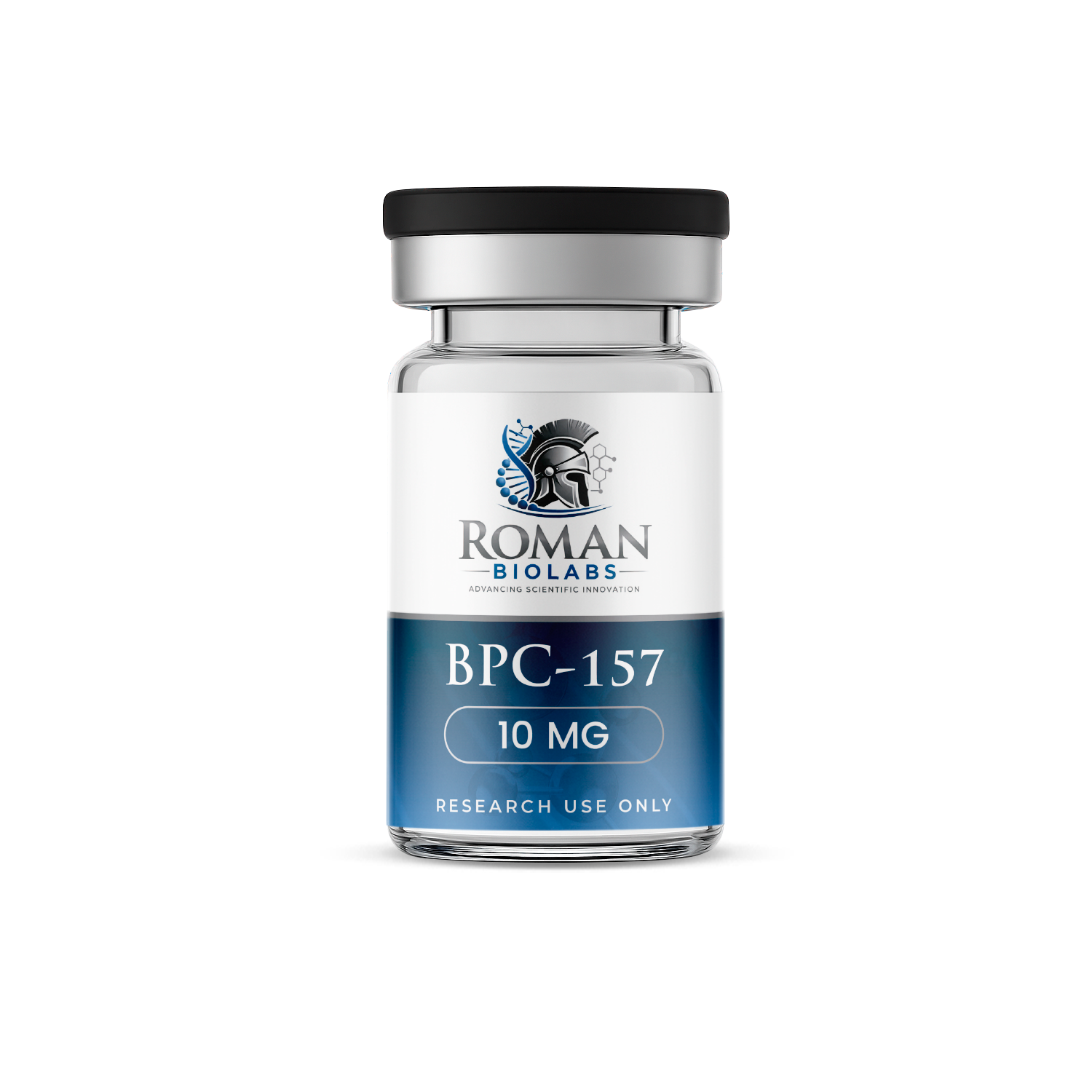
BPC-157 Peptide: Molecular Profile, Research Applications & Preclinical Studies
BPC-157, formally known as Body Protection Compound 157, is one of the most studied synthetic peptides in contemporary preclinical research. A synthetic pentadecapeptide derived from a partial sequence of human gastric juice protein, BPC-157 has been the subject of sustained scientific interest across multiple experimental disciplines, from gastrointestinal biology to angiogenic signaling to connective tissue research.
This article provides a research-oriented overview of BPC-157's molecular characteristics, known mechanisms of action studied in preclinical models, and its common research utility. All information is framed for laboratory and scientific reference. BPC-157 is sold strictly for research use and is not intended for human or veterinary use.
What Is BPC-157?
BPC-157 is a 15-amino acid synthetic peptide with the sequence:
Gly-Glu-Pro-Pro-Pro-Gly-Lys-Pro-Ala-Asp-Asp-Ala-Gly-Leu-Val
It carries a molecular weight of approximately 1,419.5 Da and a molecular formula of C₆₂H₉₈N₁₆O₂₂. Assigned CAS number 137525-51-0, BPC-157 is supplied in lyophilized (freeze-dried) powder form and is soluble in aqueous buffer and dilute acetic acid solutions.
One of BPC-157's notable biochemical characteristics is its resistance to enzymatic degradation in gastric fluid, a property that reflects its partial origin from gastric juice protein and that has made it a useful tool in studies requiring extended peptide stability in gastrointestinal model systems.
BPC-157 in Preclinical Research
BPC-157 has been examined across a broad range of preclinical experimental contexts. A significant body of published literature has studied its behavior in rodent model systems, with research outputs spanning multiple biological domains.
Gastrointestinal and Mucosal Research
BPC-157's origin from gastric juice protein has driven substantial investigation into its role in gastrointestinal biology. Studies have examined its behavior in models of mucosal integrity, gastric ulceration, and intestinal epithelial repair. It is frequently used as a reference compound in studies investigating gut-protective signaling pathways and cytoprotective mechanisms in GI epithelial cell lines.
Angiogenesis and Vascular Signaling
Published preclinical studies have investigated BPC-157's effects on angiogenic endpoints, including endothelial cell migration, VEGF expression modulation, and nitric oxide (NO) pathway interactions. In rodent models, it has been studied in the context of blood vessel formation in wound healing and tissue repair cascades, making it a relevant tool for researchers examining angiogenic mechanisms at the cellular and tissue level.
Connective Tissue and Musculoskeletal Models
BPC-157 appears regularly in studies examining tendon and ligament biology. Preclinical research has investigated its behavior in rodent models of tendon transection and repair, with observed effects on fibroblast proliferation, collagen synthesis, and growth factor expression. These properties make it a commonly selected compound in musculoskeletal signaling research using animal models.
Neurological Models
More recent research has begun to examine BPC-157 in neurological contexts, including models of peripheral nerve damage, dopaminergic system modulation, and stress-pathway interactions. While this remains a developing area of study, its inclusion in neuroscience-adjacent rodent model research reflects the compound's versatility as a preclinical research tool.
Molecular Stability and Research Utility
BPC-157's proline-rich sequence contributes to its enzymatic stability, a practical advantage in experimental designs requiring consistent compound availability over time. This stability, combined with its aqueous solubility, makes it straightforward to work with in standard laboratory settings.
Its well-documented preclinical profile also makes it a useful positive control or reference compound in studies that require a characterized peptide for comparison against novel experimental agents.Each lot is manufactured under quality systems consistent with ISO and cGMP principles and independently tested by third-party laboratories.com/product/bpc-157/" target="_blank" rel="noreferrer noopener">View BPC-157 product page and available COAs →
Research Use Disclaimer
BPC-157 is intended for laboratory research use only. It is not intended for human or veterinary use and has not been evaluated by the U.S. Food and Drug Administration for therapeutic, diagnostic, or clinical purposes. All statements in this article reflect preclinical research findings only.