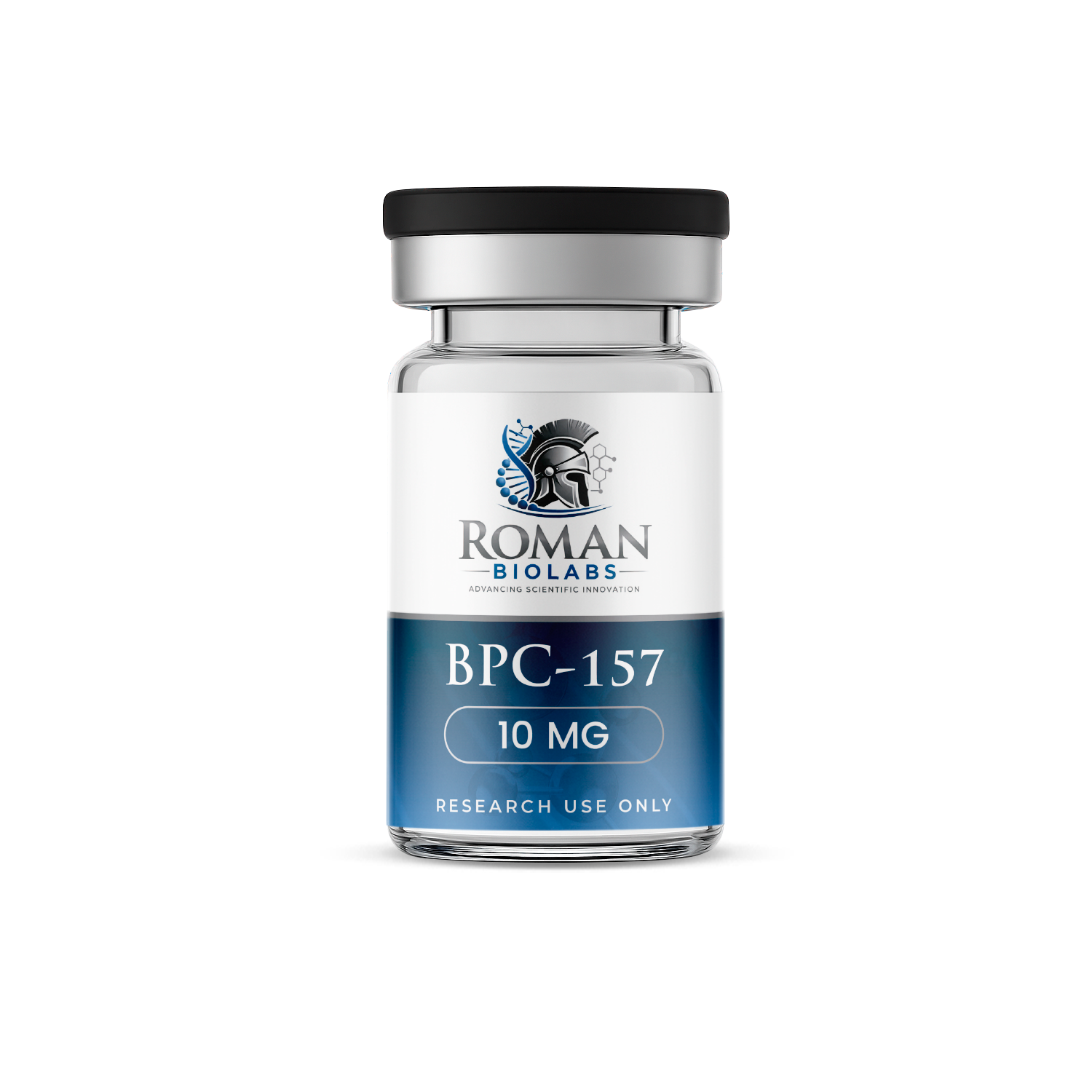
What Is BPC-157?
BPC-157, or Body Protective Compound-157, is a synthetic pentadecapeptide — a chain of 15 amino acids — derived from a protein found in gastric juice. First characterized in 1993, it has since become one of the most studied research peptides in preclinical regenerative medicine.
The compound is synthesized in laboratory settings using solid-phase peptide synthesis (SPPS), a method that assembles amino acids stepwise onto a resin carrier.Once purified, BPC-157 is typically lyophilized — freeze-dried into a stable powder form — for storage and research use.
BPC-157 is classified as a research-use-only (RUO) compound. It has not been approved by the U.S. Food and Drug Administration for diagnostic, therapeutic, or clinical use.
Mechanisms of Action: What the Research Proposes
The preclinical literature has identified several molecular pathways through which BPC-157 may exert its effects. These include:
Angiogenesis and VEGF Pathway Activation
Multiple animal studies have observed that BPC-157 upregulates vascular endothelial growth factor receptor 2 (VEGFR2) expression in endothelial cells. A study by Hsieh et al. using rat ischemia models found that intraperitoneal BPC-157 promoted blood vessel density and improved ischemic muscle blood flow — effects attributed to VEGF pathway activation (Yuan et al., Int. J. Mol. Sci., 2026).
Nitric Oxide System Modulation
BPC-157 appears to interact with the nitric oxide (NO) signaling pathway, which plays a central role in vasodilation, endothelial homeostasis, and inflammation modulation. Researchers propose that this interaction contributes to the compound's observed effects on tissue healing and microvascular integrity.
Collagen Synthesis and ECM Remodeling
In burn and tendon healing models, BPC-157 has been associated with increased collagen deposition and improved extracellular matrix (ECM) organization. Studies involving rat medial collateral ligament (MCL) injury reported improved healing alongside upregulated expression of early growth response 1 (EGR1) — a transcription factor involved in cell growth, differentiation, and inflammation.
ERK1/ERK2 Pathway Activation
BPC-157 has been shown to activate extracellular signal-regulated kinases (ERK1 and ERK2), which are involved in cell proliferation and survival signaling. This pathway activation is associated with the compound's broader effects on wound repair and tissue regeneration.
Inflammatory Cytokine Modulation
Preclinical data indicates that BPC-157 may reduce inflammatory cytokine activity and normalize inflammation following injury. In a rat periodontitis model, chronic dosing produced measurable anti-inflammatory effects. Researchers have also noted that BPC-157 may interact with dopaminergic pathways to influence pain sensitivity.
What Preclinical Models Have Found
The majority of BPC-157 research to date has been conducted in rodent and rabbit models. While these findings cannot be directly extrapolated to humans, they form the basis for ongoing scientific interest in the compound.
Skin and soft tissue: Topical BPC-157 application in rat alkali burn models accelerated wound closure and promoted granulation tissue formation and re-epithelialization within 18 days — a notably faster timeline than untreated controls (Huang et al., as cited in Yuan et al., 2026). A separate mouse thermal burn study found improved collagen deposition and reduced edema.
Musculoskeletal tissue: In rat MCL injury models, BPC-157 administered intraperitoneally, orally, and topically was associated with improved ligament and muscle repair. Tendon healing models produced similar results across multiple routes of administration.
Gastrointestinal tissue: Studies have indicated that BPC-157 supported wound healing in the esophagus, gastrointestinal tract, stomach, and duodenum in both acute and chronic injury models compared to controls.
Bone: In a rabbit segmental bone defect model, local BPC-157 delivery produced osteogenic effects and significantly improved healing outcomes compared to saline-treated controls.
Pain modulation: In rat incisional pain models, BPC-157 raised pain thresholds at early time points following injury, though this effect diminished by day 7. In formalin-induced pain models, the compound reduced acute phase pain responses without significantly affecting the persistent chronic pain phase.
Preclinical safety: Across multiple species — mice, rats, rabbits, and dogs — single- and multi-dose toxicity studies did not produce significant adverse effects. No teratogenic effects were observed in rat models. BPC-157 was metabolized into small peptide fragments and cleared through normal excretory pathways.
The Current State of Human Data
Human clinical data on BPC-157 remains limited. The following studies represent the current published record:
- Chronic knee pain (n=12): A retrospective chart review found that intra-articular BPC-157 injection produced pain relief lasting more than 6 months in 11 of 12 participants. Four patients received a combination with TB4. Limitations include small sample size and varied patient follow-up (Lee and Padgett, as cited in Yuan et al., 2026).
- Interstitial cystitis (n=12): A pilot study reported that 10 of 12 patients experienced total symptom relief after a single 10 mg intravesical injection. The remaining 2 patients reported 80% symptom resolution. No adverse effects were reported.
- IV safety study (n=2): An IRB-approved study administered up to 20 mg of BPC-157 intravenously in healthy adults. No measurable adverse effects were observed across cardiac, renal, thyroid, hepatic, or glycemic markers. Plasma concentrations returned to baseline within 24 hours.
Notably, a Phase I clinical trial conducted in 2015 with 42 patients has not been published, leaving a significant gap in the available human pharmacokinetic data.
The authors of a 2026 perspective review in the International Journal of Molecular Sciences concluded: "BPC-157 remains a promising candidate for regenerative medicine, yet comprehensive evaluation is required before clinical translation can be recommended."
Research Gaps and Limitations
The preclinical evidence for BPC-157 is substantial but carries important limitations that researchers should account for when reviewing the literature:
- A disproportionate share of preclinical data originates from a single research group, underscoring the need for independent replication
- Animal models do not always translate to human biology — particularly important given the limited human data
- Inconsistent preparation standards across research materials complicate cross-study comparisons
- Human randomized controlled trials are absent from the published literature
- Regulatory classification as a research-use-only compound reflects this uncertainty
Research-Grade BPC-157 from Roman BioLabs
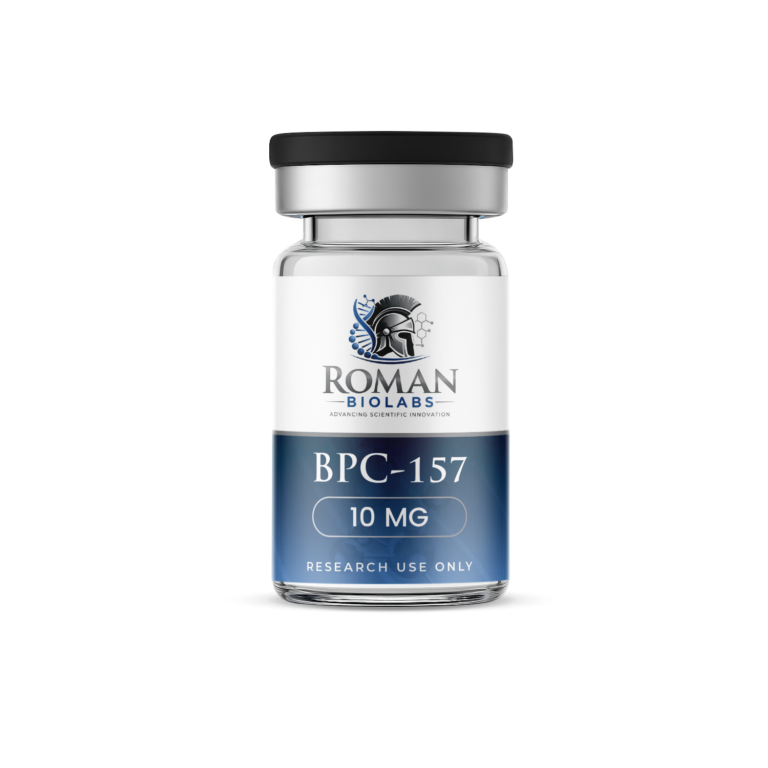
Roman BioLabs supplies BPC-157 as a lyophilized research peptide for controlled laboratory use.
BPC-157 is available in 5mg, 10mg, and 20mg configurations for research applications.
View BPC-157 Research Peptide →
⚠️ Research Use Only. All products sold by Roman BioLabs are intended exclusively for in vitro laboratory research. They are not approved for human or veterinary use and are not intended to diagnose, treat, cure, or prevent any disease or condition.
References
Yuan C, Demers A, Silva-Ortiz V, Hasoon JJ, Lee W, Dave K, Amirdelfan K, Burke HW, Christo PJ, Robinson CL. From Regeneration to Analgesia: The Role of BPC-157 in Tissue Repair and Pain Management. Int. J. Mol. Sci. 2026;27(6):2876. https://doi.org/10.3390/ijms27062876